Premium Link-Building Services
Explore premium link-building options to boost your online visibility.
Explore premium link-building options to boost your online visibility.
Search visibility has never been more competitive. As we approach 2026, businesses that treat technical SEO as an afterthought are discovering a harsh reality: even the most compelling content struggles to rank when underlying technical foundations crumble. Search engines have evolved into sophisticated systems that reward websites delivering exceptional performance, seamless user experiences, and impeccable technical execution.
The digital landscape demands a new level of expertise. Modern website optimization goes far beyond meta tags and keyword density—it encompasses page speed architectures, JavaScript rendering strategies, structured data implementations, and mobile-first indexing compliance. Organizations seeking sustainable organic growth must embrace advanced technical SEO methodologies or risk becoming invisible in an increasingly crowded marketplace.
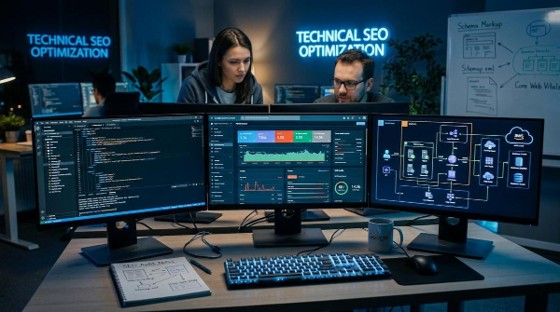
Technical SEO optimization website performance advanced search techniques
Leading industry voices consistently emphasize that mastering SEO with Miklos Roth requires understanding both the art and science of search optimization. This comprehensive guide explores cutting-edge techniques that separate amateur efforts from professional-grade technical SEO implementations.
Search algorithms undergo constant refinement, with Google alone implementing thousands of updates annually. These changes increasingly prioritize technical performance signals that directly impact user experience. Core Web Vitals, mobile usability, and HTTPS security have transformed from optional enhancements into mandatory ranking factors that determine whether your content reaches its intended audience.
The implications extend beyond rankings. Poor technical SEO creates cascading effects throughout your digital ecosystem—slower loading times increase bounce rates, crawl errors waste valuable search engine budget, and duplicate content dilutes ranking potential. Every technical deficiency represents lost opportunities for engagement, conversions, and revenue.
Industry research demonstrates that websites implementing comprehensive AI marketing expert solutions achieve measurably better performance across all key SEO metrics. These integrated approaches combine human strategic thinking with machine-powered technical execution.
Organizations often underestimate how deeply technical issues penetrate their search performance. A single misconfigured robots.txt file can render entire sections invisible to search engines. Improperly implemented redirects drain link equity. Unoptimized images add precious seconds to load times that impatient visitors refuse to tolerate.
Understanding why you need an AI marketing expert becomes clearer when examining these complex technical challenges. Human expertise alone struggles to identify, prioritize, and resolve the dozens of technical issues affecting typical business websites.
Every successful technical SEO strategy begins with comprehensive infrastructure assessment. This diagnostic phase reveals hidden problems, establishes baseline performance metrics, and creates prioritized remediation roadmaps that deliver maximum impact for optimization investments.
Search engines allocate finite resources to crawling each website. Smart technical SEO ensures these resources concentrate on valuable, indexable content rather than wasting on duplicate pages, broken links, or irrelevant parameters. Implementing strategic robots.txt directives, canonical tags, and nofollow attributes channels crawl efficiency toward content that drives business results.
Effective crawl management requires ongoing monitoring and adjustment. Server log analysis reveals actual crawling patterns, exposing discrepancies between intended and actual search engine behavior. This intelligence enables data-driven refinements that progressively improve how search engines interact with your digital properties.
Information architecture directly impacts both user experience and search engine comprehension. Flat architectures minimize click depth, ensuring important content remains accessible within three clicks from the homepage. Strategic internal linking distributes authority throughout the site while establishing clear topical relationships between related content.
Implementing breadcrumb navigation, HTML sitemaps, and logical URL structures creates intuitive pathways that benefit both human visitors and automated crawlers. These architectural elements communicate hierarchy and context, helping search engines understand content significance and relationships.
Page speed has evolved from nice-to-have into critical ranking factor. Google’s Core Web Vitals initiative quantifies user experience through Largest Contentful Paint, First Input Delay, and Cumulative Layout Shift—metrics that directly influence search positions and user satisfaction.
Understanding how browsers render pages enables targeted speed improvements. Eliminating render-blocking resources, optimizing CSS delivery, and deferring non-critical JavaScript creates faster perceived performance. Modern techniques like critical CSS inlining, resource hints, and predictive prefetching anticipate user needs, loading resources before they’re explicitly requested.
Server-side rendering and static site generation represent increasingly popular approaches for JavaScript-heavy applications. These techniques deliver fully rendered HTML to browsers and crawlers, eliminating the rendering delays associated with client-side JavaScript execution.
Visual content significantly impacts page weight and loading performance. Implementing next-generation formats like WebP and AVIF reduces file sizes without quality degradation. Responsive images with srcset attributes deliver appropriately sized assets for each device, preventing mobile users from downloading desktop-optimized files.
Lazy loading defers offscreen images until users scroll toward them, reducing initial page weight and improving perceived performance. Combining these techniques with efficient compression and CDN delivery creates image pipelines that maintain visual quality while maximizing speed.
Search engines increasingly rely on structured data to understand content context and display enhanced results. Schema markup transforms plain HTML into rich, machine-readable information that powers featured snippets, knowledge panels, and other high-visibility search features.
Beyond basic Article and Organization markup, advanced technical SEO implements specialized schemas tailored to content types. Product schemas enable rich e-commerce results with pricing and availability. FAQ and HowTo schemas capture valuable featured snippet real estate. Event schemas drive discovery for time-sensitive offerings.
Valid implementation requires attention to Google’s structured data guidelines, including required and recommended properties, proper nesting, and accurate value representation. Regular validation through Google’s Rich Results Test and Search Console reports ensures ongoing compliance and identifies enhancement opportunities.
Modern search operates on entities—people, places, things, and concepts—rather than keywords alone. Technical SEO must establish clear entity relationships through consistent markup, authoritative references, and structured data implementation. Wikipedia and Wikidata references strengthen entity associations, while same-as properties explicitly connect brand presence across platforms.
This semantic approach aligns technical implementation with how search engines actually process and understand information. Websites that clearly communicate entity relationships enjoy enhanced visibility in knowledge panels, related searches, and semantic query results.
Google’s mobile-first indexing means the mobile version of your website serves as the primary basis for ranking and indexing. This fundamental shift demands that technical SEO prioritize mobile experience in every optimization decision.
Progressive Web Apps combine website accessibility with native app functionality, delivering fast, reliable, engaging mobile experiences. Service workers enable offline functionality and instant loading for repeat visits. App shell architectures separate content from interface elements, creating consistent user experiences across sessions.
Web App Manifest files enable installation prompts, creating homescreen presence that drives return visits. These technical implementations blur lines between websites and applications, creating superior mobile experiences that satisfy both users and search engines.
Touch-friendly interfaces require adequate tap target sizing, readable font scaling, and viewport-appropriate layouts. Technical SEO must eliminate intrusive interstitials that frustrate mobile users and trigger search engine penalties. Responsive images and adaptive serving ensure optimal presentation across device diversity.
Testing across real devices, emulators, and Google’s Mobile-Friendly Test reveals usability issues that automated tools miss. This comprehensive validation ensures consistent experiences across the fragmented mobile landscape.
Effective technical SEO requires robust measurement frameworks that track progress, identify issues, and demonstrate business value. The right AI marketing expert metrics transform raw data into actionable intelligence that guides optimization priorities.
Essential technical metrics include crawl rate and coverage, indexation ratios, page speed scores, mobile usability rates, and structured data validity. Monitoring these indicators reveals technical health trends and flags emerging issues before they impact rankings.
Organic traffic, keyword visibility, and ranking positions demonstrate technical SEO business impact. Correlating technical improvements with ranking changes validates optimization investments and guides future resource allocation.
Server-side analytics, log file analysis, and real user monitoring provide technical insights that traditional page-tagging analytics miss. These data sources reveal actual crawling behavior, server response patterns, and user experience variations across devices and networks.
Custom dashboards consolidate metrics from multiple sources, creating comprehensive views of technical performance. Automated alerting ensures immediate notification when critical issues emerge, enabling rapid response that minimizes negative impact.
Technical SEO success requires sophisticated tools that automate analysis, monitor performance, and streamline implementation. Modern AI marketing expert tools combine traditional crawling capabilities with artificial intelligence that identifies patterns and prioritizes opportunities.
Enterprise crawling platforms like Screaming Frog, DeepCrawl, and Sitebulb provide detailed technical analysis at scale. These tools identify broken links, redirect chains, duplicate content, and hundreds of other technical issues that impact search performance.
Log file analyzers reveal actual search engine crawling behavior, exposing crawl budget waste and indexation problems. Correlating crawl data with analytics creates comprehensive pictures of how technical issues translate into business impact.
Page speed tools including Lighthouse, WebPageTest, and Chrome DevTools provide detailed performance analysis and optimization recommendations. Real user monitoring services track actual visitor experiences across devices, networks, and geographic locations.
Continuous monitoring platforms alert teams when performance degrades, enabling proactive optimization before rankings suffer. These tools create feedback loops that drive ongoing performance improvements.
Successful technical SEO requires systematic approaches that ensure comprehensive coverage and consistent execution. The AI marketing expert framework provides structured methodologies for tackling complex optimization challenges.
Technical SEO operates through continuous cycles of assessment, improvement, and verification. Comprehensive audits establish baselines and identify issues. Prioritized optimization addresses highest-impact opportunities first. Ongoing monitoring validates improvements and catches regressions.
This cyclical approach prevents the technical debt accumulation that plagues websites receiving only sporadic attention. Regular audits catch issues introduced by development changes, content updates, and platform modifications.
Technical SEO implementation requires collaboration between marketing, development, and operations teams. Clear communication frameworks translate SEO requirements into technical specifications that development teams can implement efficiently.
Documentation standards, ticket templates, and approval workflows streamline implementation processes. These organizational capabilities often determine whether technical recommendations actually reach production environments.
The technical SEO landscape continuously evolves as search engines develop new capabilities and user expectations shift. An AI marketing expert interview reveals that voice search optimization, visual search capabilities, and AI-generated content detection represent emerging frontiers demanding technical attention.
Artificial intelligence increasingly automates technical SEO tasks that previously required manual execution. Machine learning algorithms identify optimization opportunities, predict ranking impacts, and even implement fixes autonomously. This technological evolution enables practitioners to focus on strategy while automation handles execution.
However, human expertise remains essential for interpreting results, making strategic decisions, and handling complex implementations. The most effective approaches combine AI-powered efficiency with human strategic oversight.
Looking ahead, technical SEO will increasingly intersect with privacy regulations, sustainability considerations, and accessibility requirements. Websites must optimize for cookie-less tracking environments, minimize carbon footprints, and meet accessibility standards that overlap significantly with technical SEO best practices.
Forward-thinking organizations build technical foundations that accommodate these emerging requirements. Flexible architectures, clean codebases, and comprehensive documentation enable rapid adaptation as requirements evolve.
Sustainable technical SEO success requires consistent execution and continuous learning. Organizations that trust an AI marketing expert gain access to specialized expertise that delivers consistent results while internal teams focus on core business activities.
Technical changes require thorough validation before production deployment. Staging environment testing, controlled rollouts, and immediate post-deployment monitoring catch issues before they impact users or search performance.
Version control integration and automated testing frameworks prevent common deployment errors. These quality practices protect against the ranking volatility that accompanies technical mistakes.
Search engine algorithms and web technologies evolve constantly. Technical SEO practitioners must commit to ongoing education, staying current with emerging standards, algorithm updates, and industry best practices.
Professional development through industry publications, conferences, and peer networks ensures expertise remains current. This learning mindset separates practitioners who maintain effectiveness from those whose knowledge becomes outdated.
Technical SEO mastery represents an ongoing journey rather than a destination. The techniques outlined in this guide provide comprehensive frameworks for achieving and maintaining technical excellence that drives sustainable search visibility.
Organizations ready to elevate their technical SEO should ask an AI marketing expert for personalized guidance tailored to their specific challenges and objectives. Professional expertise accelerates progress and avoids costly mistakes that delay results.
As search engines grow more sophisticated, technical SEO’s importance only increases. Websites with strong technical foundations adapt more readily to algorithm changes, capture emerging opportunities, and deliver superior user experiences that convert visitors into customers.
Industry pioneers like Miklos Roth digital veteran demonstrate that sustained technical excellence creates competitive advantages that compound over time. By implementing the strategies in this guide, you position your digital presence for success throughout 2026 and beyond.
The technical SEO landscape rewards preparation, precision, and persistence. Begin your optimization journey today, measure progress diligently, and watch your search visibility transform from uncertainty into predictable, scalable growth.
Explore premium link-building options to boost your online visibility.